
In support of advancing gene therapy and offering hope.
Meet Rylee
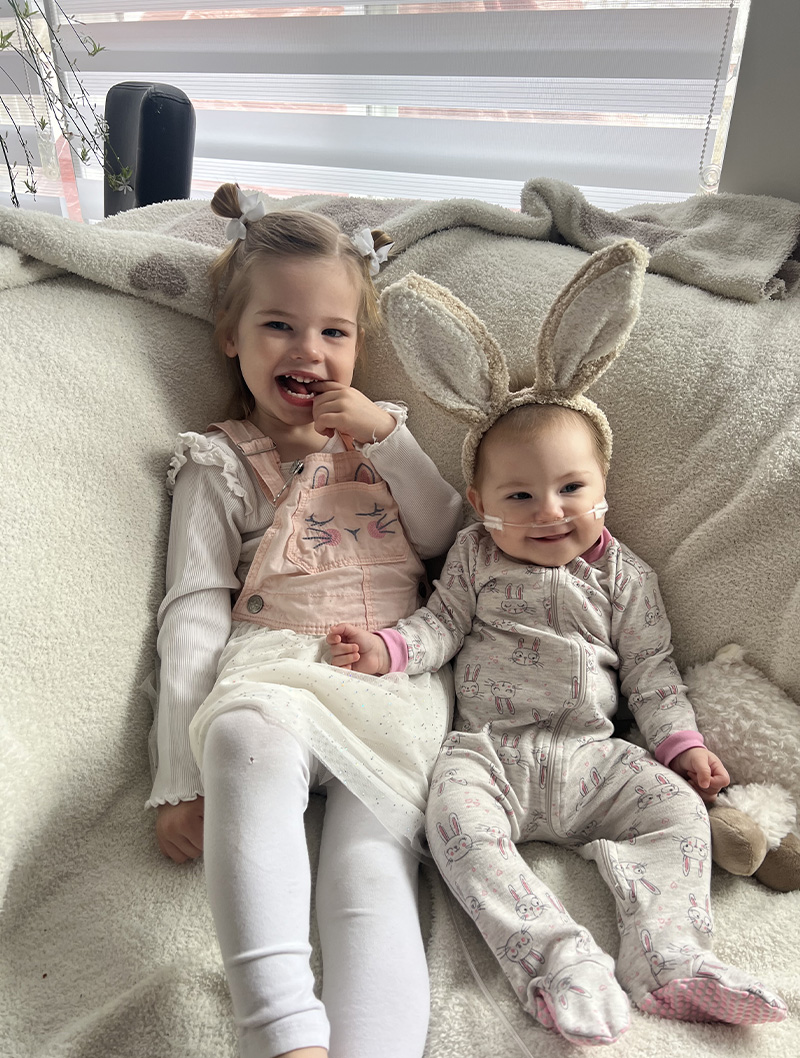
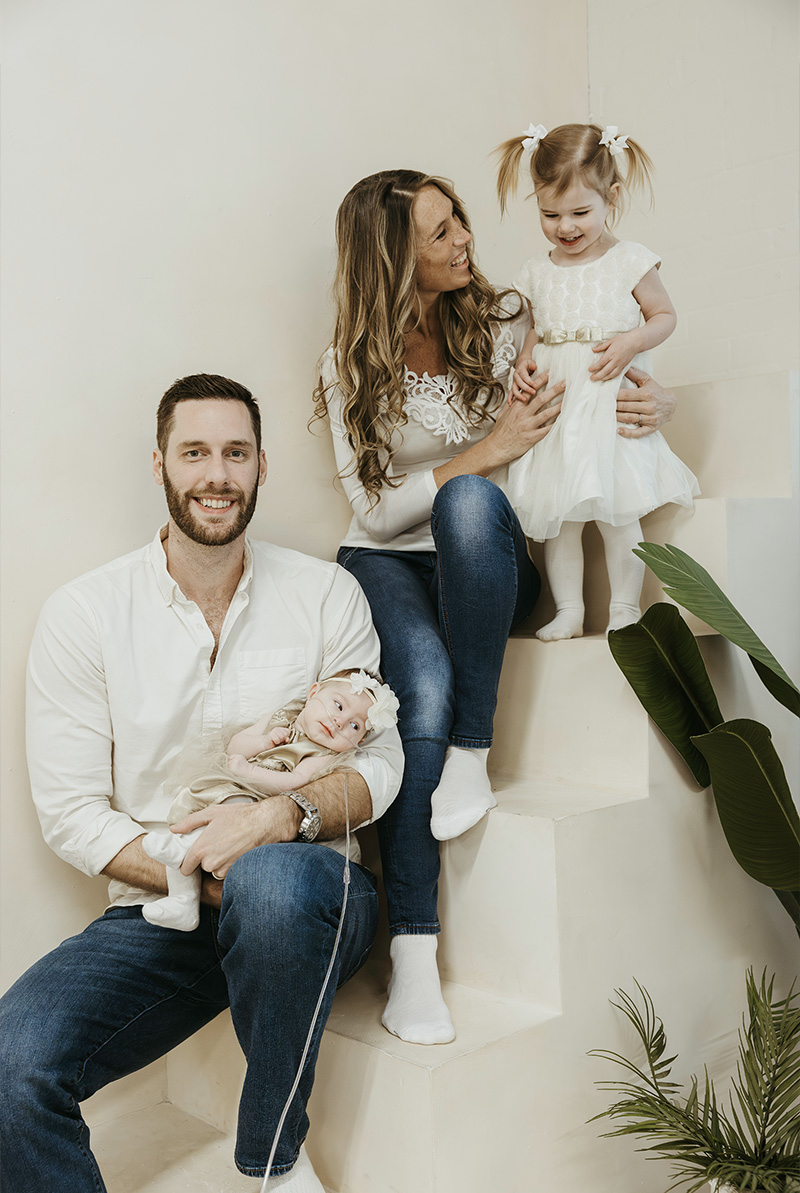
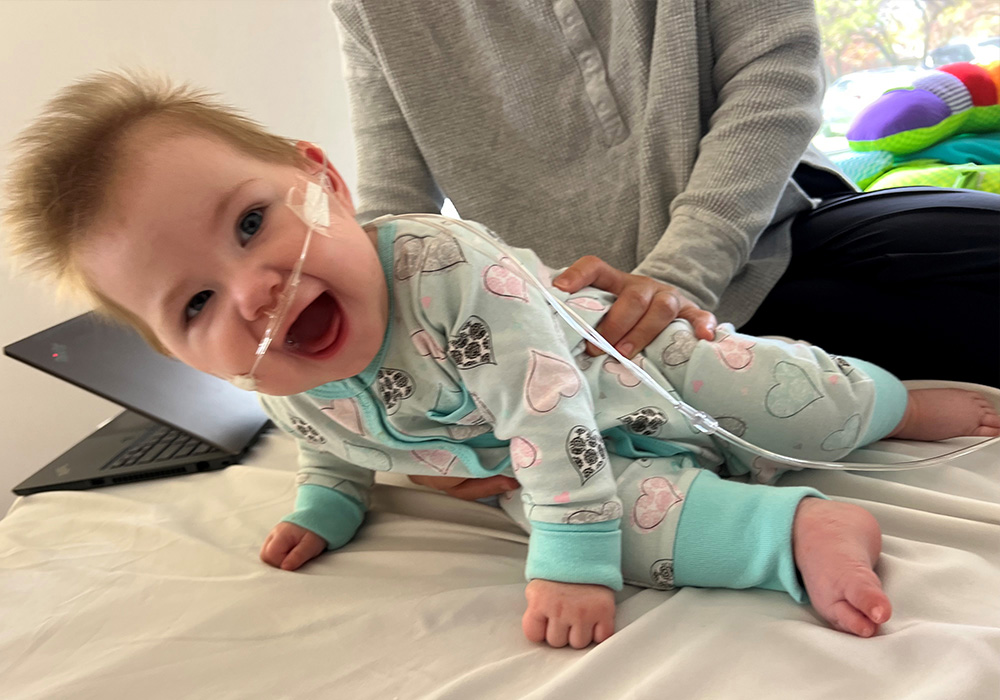
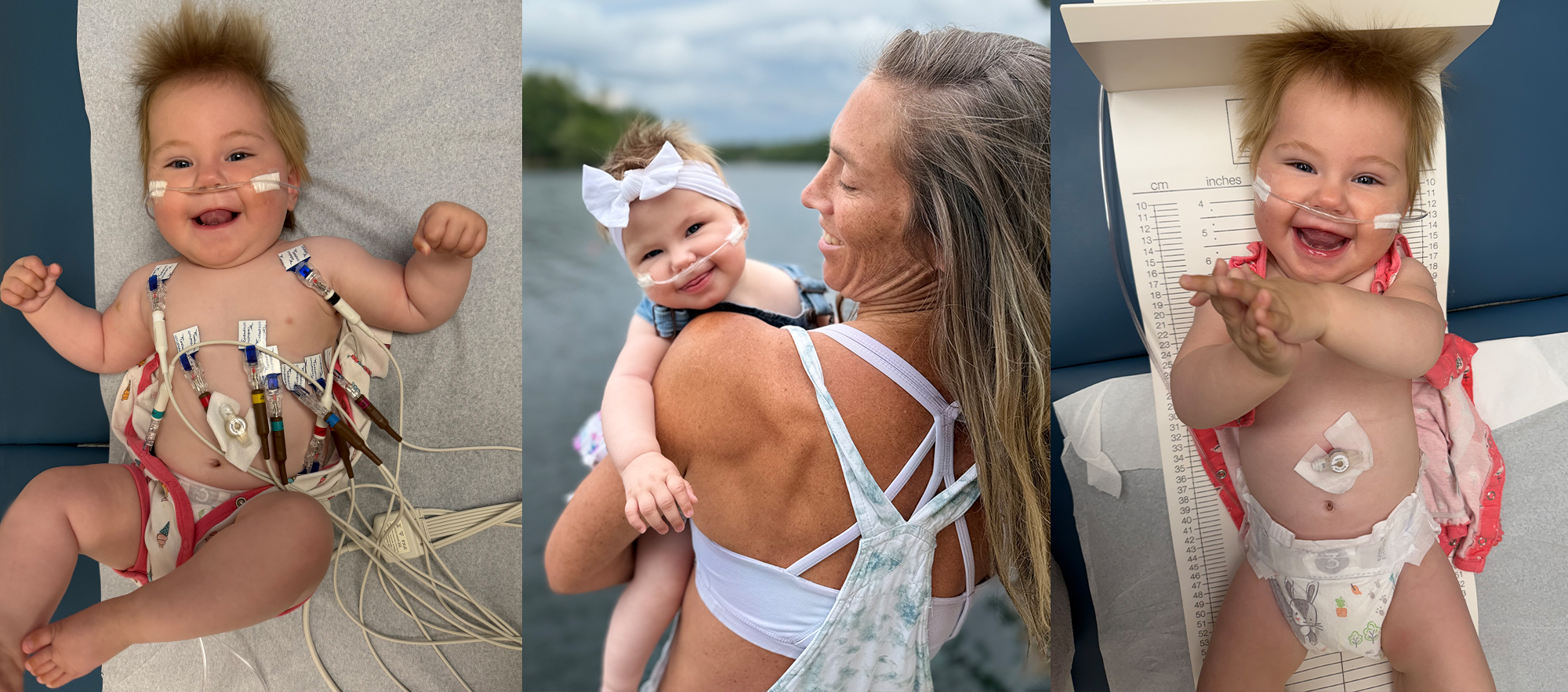
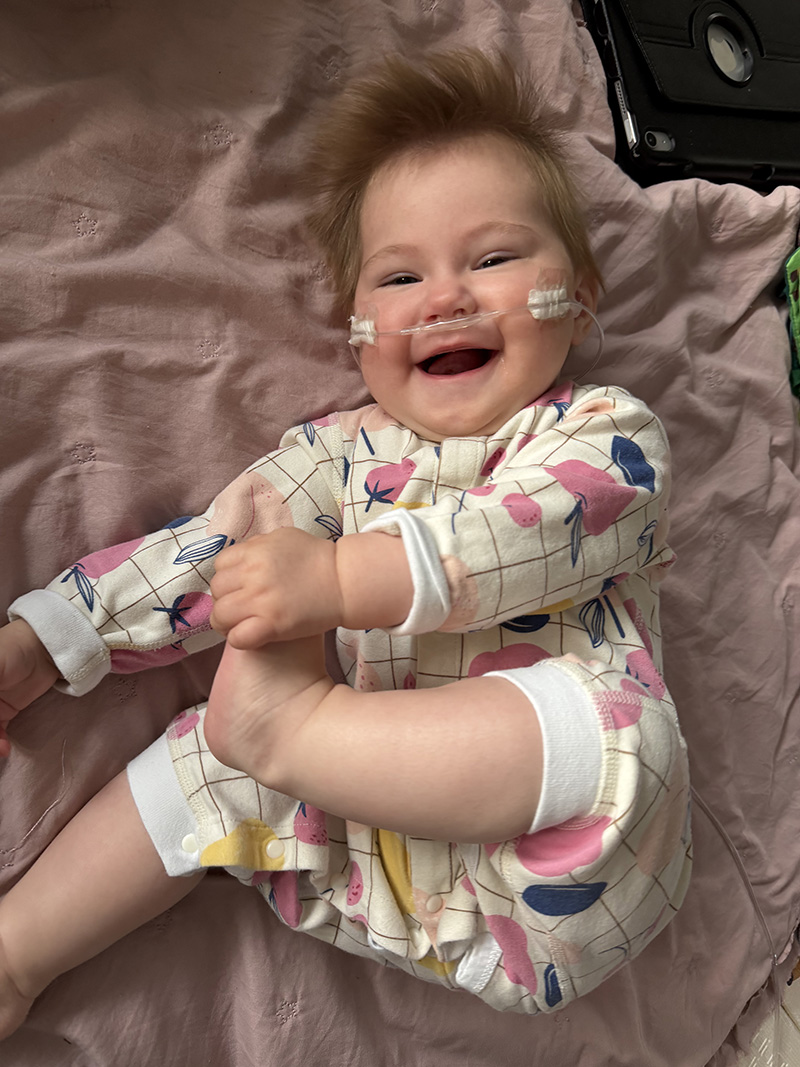
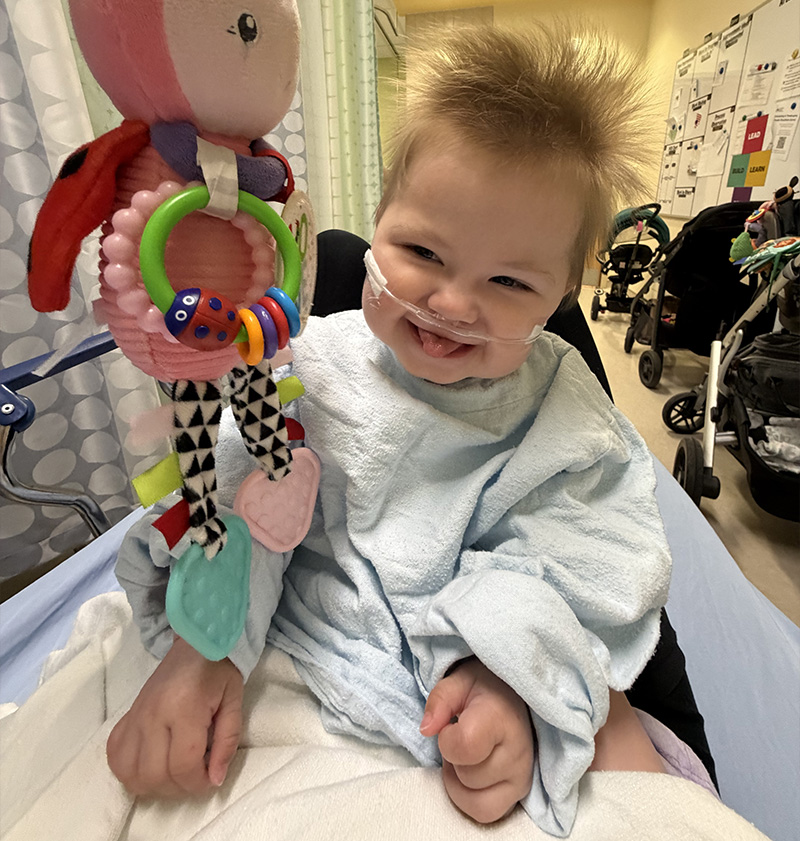
“Rylee is already a warrior at just one year old. She has an amazing smile that can brighten anyone’s day and has such resilience and is facing her journey with a spirit that inspires everyone she meets. Rylee has an ultra-rare genetic condition called FBX011. As of 2024, there are only 84 known cases.
Rylee dedicates her days to various therapy sessions. Every small milestone reached is a hard-fought victory, won by incredible effort. Alongside her, big sister Addy provides constant encouragement for Rylee as she fights for a brighter, stronger future.

About FBX011?
FBX011 is named for the gene it affects. FBX011-related neurodevelopmental disorder is an ultra-rare genetic condition caused by a change in the FBX011 gene. This gene plays an important role in helping cells regulate and recycle proteins that are essential for normal brain development and function. When the gene does no work properly, the brain cannot develop and communicate with the body as it should, leading to a wide range of developmental and medical challenges. Most cases occur de novo, meaning the genetic change happens at conception and in not inherited from either parent. This condition impacts how a child grows, affecting speech, movement, and physical strength.
As with many neurodevelopmental disorders, FBX011 does not have a playbook or roadmap of what to expect next. Before Rylee could be brought home from the hospital, FBX011 almost took her life. When Rylee would fall asleep, she would stop breathing. Doctors had to perform life-saving resuscitations on four sperate occasions. Those breathing difficulties have lead to Rylee requiring oxygen every time she sleeps. Beyond this, Rylee has had failure to thrive, missing most developmental milestones – except for her big and infectious smile.
FBX011 Research – Why This Research Matters
The first five years of life are crucial for brain development, time is crucial to give her the best chance for the most impactful change. There is no current treatment nor cure for FBX001. Gene Therapy research has the greatest opportunity to help in correcting issues caused by the faulty gene – in fact it is currently thought to be the only way to improve the life expectancy and quality of life for children diagnosed with FBX011.
There are two teams currently able to work on FBX011. The first is at The Nuero in Montreal – a partner of McGill University. They have confirmed an ability to create the Gene Therapy needed for treatment. The process first steps can begin with creating an IPSC cell line of FBX011 to begin testing. This will hopefully be completed by the end of 2026.
Next steps include …
- Proof of Concept ($500-$600k CAD)
- Toxicology ($1 Million)
- Regulatory Filing ($250K)
- Manufacturing clinical Grade ($2-3 million)
- Treatment Hospital Admin Cost ($250K)
This is the traditional route through a certified clean lab manufacturing facility. The cost reflects this process, equalling over $4M.
Their process will be …
The second research institution ready to begin is the Translational Institute for Moelcular Therapies (TIMT) at UMass Chan Medical School. They have a new path forward, as they have created a manufacturing lab within the research institute that complies with the requirements of clinical trials for stage I/II clinical trials for rare and ultra-rare diseases.
STAGE 1
($100k USD)
- Vector Generation
- Design and develop gene therapy construct
- Test in cell cultures
- Produce AAV9 vector
- Test in wild type mice
STAGE 2
Proof of Concept Studies ($180-$250k USD)
- Expand model colonies
- Model Characterization: phenotype, survival
- Short term and long-term efficacy studies